5 Things You Can Do as a Student During Summer (That Will Actually Benefit You)
It's the same story every year. We finally finish our exams, coursework, assignments, endless emails, and everything else that comes with university life. Then summer arrives ——Freedom at last ! But one mistake many students make is thinking that life completely stops once the academic year ends.
UNIVERSITY STUDENT LIFEHIGH SCHOOL/ COLLEGE STUDENT LIFE
6/30/20265 min read


Introduction
It's the same story every year. We finally finish our exams, coursework, assignments, endless emails, and everything else that comes with university life. Then summer arrives —— Freedom at last !
But one mistake many students make is thinking that life completely stops once the academic year ends. Don't get me wrong, you absolutely deserve to rest after months of hard work. Taking a break is important. However, summer is also the perfect opportunity to do the things you couldn't fit into your schedule during the academic year. Whether it's developing new skills, gaining experience or working on your personal interests. Or the work you put in over the summer can give you a significant advantage when the next academic year begins.
Here are five things every student should consider doing this summer:
1. Volunteering
Ok, hear me out on this one.
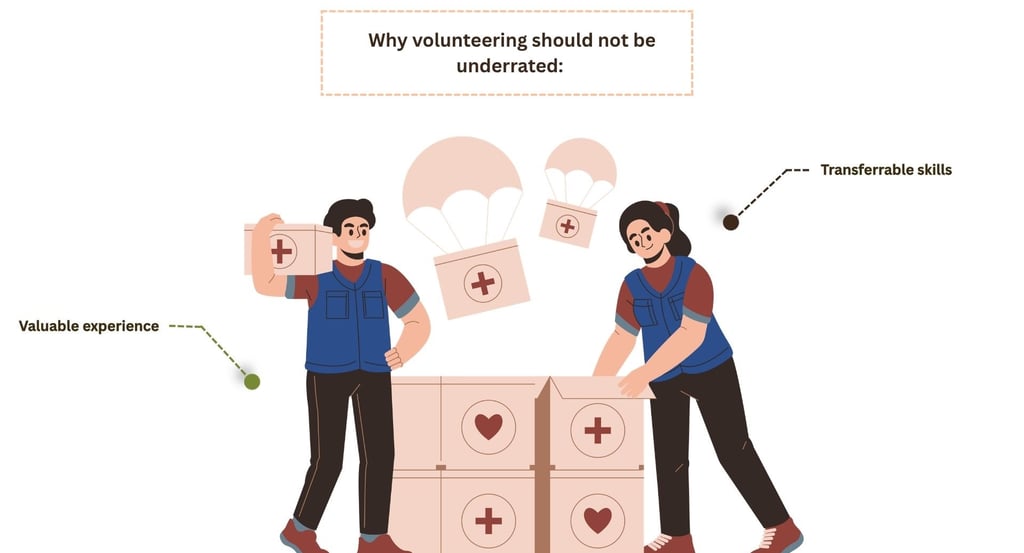
Volunteering is one of the most underrated opportunities available to students, yet it offers some of the greatest rewards. Speaking from personal experience, I have never regretted volunteering. It has opened doors, helped me build valuable skills, and given me experiences I couldn't have gained anywhere else.
No matter what career you're aiming for, employers value one thing above almost everything else: experience.
The challenge is that many students struggle to get experience because entry-level jobs often require... experience. Volunteering is one of the easiest ways to overcome this obstacle. It's generally less competitive than paid employment, the application process is usually much simpler, and you'll gain practical skills that you can confidently talk about in interviews.
In many cases, organisations will even reimburse your travel expenses. More importantly, you'll build confidence, develop transferable skills, expand your professional network, and strengthen your CV.
Think of volunteering as an investment in yourself. You're giving your time now in exchange for valuable experience that can benefit you for years to come.
So, what are you waiting for ? Find a cause you care about and start volunteering.
2. Invest in Your Self-Development
Education doesn't stop when lectures finish.
One piece of advice my academic advisor gave me has always stayed with me. We often imagine our career as a straight line from university to our dream job. In reality, it's usually full of twists, turns, and unexpected opportunities. If you want to reach your goals faster, you need to do things that many people aren't willing to do.
Ask yourself:
* What skills make me stand out?
* What am I doing that most students aren't?
* How can I become more valuable to future employers?
Summer is the perfect time to answer those questions.
Take an online course. Read books in your field. Attend workshops. Listen to podcasts. Improve your communication skills. Learn software that's commonly required in your industry. A great strategy is to search for the job you hope to have after graduation and carefully read the job description. What skills are employers asking for ? Start learning them now.
Platforms like Udemy and Coursera offer thousands of affordable courses that you can complete at your own pace.
You don't need to spend eight hours a day studying. Even 30 minutes to an hour each day can make a huge difference by the end of summer.
3. Build Personal Projects Related to Your Career
Learning is important. Applying what you've learned is even more important. One of the best ways to develop your skills is by creating personal projects related to your degree or career interests. These projects don't have to be perfect, and they don't even have to appear on your CV. Their primary purpose is to help you grow.
For example, I'm a scientist, and programming—especially Python—is becoming increasingly valuable in scientific research. Rather than simply watching tutorials, why not build something useful ?
Imagine creating a Python program that estimates a patient's risk of developing a particular disease based on their health profile. Not only would you improve your coding skills, but you'd also solve a real-world problem.
Projects like these demonstrate creativity, initiative, and problem-solving skills. These are qualities that employers genuinely appreciate.
Artificial intelligence can also be an excellent brainstorming partner. I often use AI to help develop ideas or overcome creative blocks. However, don't rely on it to do all the thinking for you. Use it as a guide, not a replacement for your own creativity and critical thinking.
The more you build, the more confident you'll become.

4. Prepare for the Next Academic Year
One of the smartest things you can do over the summer is prepare for what's coming next. Find out what modules you'll be studying, what assessments you'll have, or what projects you'll be expected to complete. Then get a head start.
For instance, if you're entering your final year and know you'll be completing a dissertation or research project, start exploring potential topics now. Read journal articles, watch educational videos, and begin thinking about ideas before the semester starts. The more preparation you do during the summer, the less overwhelmed you'll feel once classes begin again. Instead of spending the first few weeks trying to catch up, you'll already have momentum. Trust me, your future self will thank you.
5.Take Time to Rest and Recharge
Success isn't just about constantly working. After months of deadlines, revision, and exams, your body and mind deserve a proper break. Spend time with family and friends. Travel if you can, exercise regularly and read for enjoyment. Pursue hobbies you've neglected during the academic year and most importantly, sleep well.
Rest isn't being lazy, it’s also part of being productive. You'll return to university, college or high school feeling refreshed, motivated, and ready to perform at your best.
The key is balance. Enjoy your summer, but don't let the entire break pass without doing something that will benefit your future.

Conclusion
Summer isn't just a holiday, it’s a golden opportunity for us. Yes, relax and enjoy yourself. You've earned it. But don't let these few months slip away without investing in yourself. Whether it's volunteering, learning a new skill, starting a personal project, preparing for next year, or simply taking care of your wellbeing. Every small step you take now will pay dividends later. I wouldn't be writing this if I hadn't seen the benefits myself. And if you've already started working towards one of these goals but you're feeling discouraged, keep going. Progress often feels invisible at first. You might wonder whether your efforts are making any difference. But one day, you'll look back and realise that those small decisions you made during one summer became the foundation for opportunities you never imagined.
Your future self will thank you for the work you put in today.