How to choose the right career path for students ?
Ever wondered why people are so bad at their jobs and don’t even like what they’re doing? The answer is simple. Sometimes, it’s because they choose the wrong career path. They end up regretting it, but they can’t start from scratch either because of a lack of time or because they’ve already put so much effort into what they’ve built. I believe you don’t have to go down that route — you can avoid it. This is exactly what this blog covers.
4/4/20265 min read


Introduction
Ever wondered why people are so bad at their jobs and don’t even like what they’re doing? The answer is simple. Sometimes, it’s because they choose the wrong career path. They end up regretting it, but they can’t start from scratch either because of a lack of time or because they’ve already put so much effort into what they’ve built. I believe you don’t have to go down that route — you can avoid it.
This is exactly what this blog covers.
1. Who decides your path?
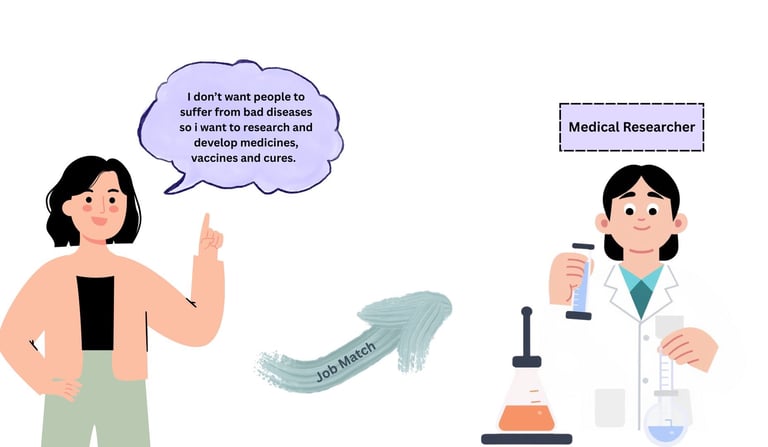
The career you end up choosing often depends on whether you find a sense of purpose in that field. People become doctors because they have compassion for those who are sick and want to guide them toward the right medical plan. Others want to directly engage with individuals — that’s when you have nurses.
So, who really decides your career path for you ? That’s a question everyone should ask themselves. For some, it’s their teachers; for others, their friends or parents. In most cases, it’s the individual’s own choice.
Here’s something real: finding a purpose in your career doesn’t just happen by accident. For me personally, I found that purpose through God (specifically Jesus Christ). This isn’t about religion; it’s just something that changed my life.
2. Know Yourself
Let’s start here. What do you enjoy doing? What do you dislike? If you’re able to answer this question, then you’ve already taken the first step.
I encourage you to take a personality assessment if you’re having difficulty figuring it out. But most of the time, we already know the answer. There’s always that one thing we love doing — something we can imagine ourselves doing for the rest of our lives.
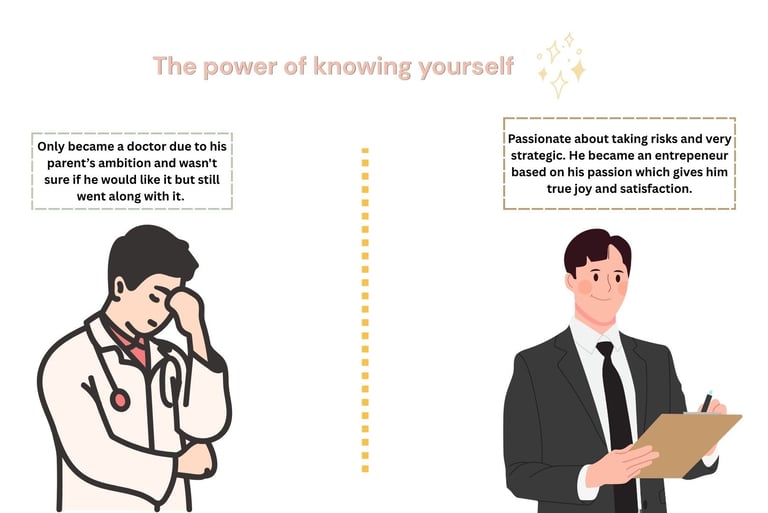
I don’t believe in that reality where people do something just because everyone else is doing it, or because it’ll earn them a lot of money. No one should make that decision for you. That’s why it’s important to know yourself — so that no one can dictate what you become because of their own personal ambitions.
Besides knowing yourself, take time to reflect on what truly gives you joy and motivation.
3. What’s That One Thing You’re Good at ?
I believe that God has gifted everyone with something special — it could be as small as being able to hold firm eye contact, and I’m not even joking. You might need to take some time to think about it before you can pinpoint it. Once you’ve identified that unique ability, start thinking about how to develop it and where it might be in high demand. For example, being able to hold firm eye contact effortlessly could be useful in the sales and business industry because it builds credibility and quickly earns investor's and customer's trust.
Please note that you shouldn’t choose a career path based only on one strength, but that strength can serve as a clue — alongside other factors such as your interests and values.
4. Explore
There are so many options out there. When I got to university, I was shocked at how many fields existed that I hadn’t even heard of.
Don’t limit yourself to what you already know. Research, attend career fairs, read about industries, or book a session with a career counsellor. You never know what might catch your interest and completely change your direction.
5. Try Things Out
You might think you’ll like something, but once you actually try it, you might be surprised by how you feel.
I once considered becoming a surgeon and was so excited about the idea. So, I contacted one and asked if I could shadow them while they were on duty. Fortunately, they accepted. Observing the surgeon and listening to their explanations was such a valuable and insightful experience.
However, even though it wasn’t boring or uninteresting, I realised I just couldn’t picture myself doing that kind of job in the future anymore. I simply wasn’t as interested as I thought I’d be.
6. The Earlier, the Better
The earlier you act, the better. A lot of people start making decisions about their career path only after they’ve graduated — which is sad, but true.
The earlier you implement the steps above and start exploring your options, the less time you’ll waste and the better your choices will be.
7. Consider Other Factors
Finally, as important as it is to do things you’re good at and truly enjoy, always take into account what matters to you most. A few individuals care less about money and genuinely just want to help their community. Others fall into similar categories but also prioritise financial stability and want a higher quality of life. It just depends on the person.
Always consider these things carefully so you don’t end up with career regrets later. For example, you might be good at writing, like me, but you also value money and wealth. That’s when you start thinking: should you pursue writing full‑time, or combine it with other skills to make it more profitable?
Try to balance everything as best as you can.
Final Thoughts
Choosing a career isn’t about finding one single perfect job and sticking to it forever. You can even do several things that blend your skills and interests — and that’s completely okay.
Take the time to understand yourself, pray or reflect to find your purpose, and give yourself space to explore before making a decision. Start early, stay curious, and keep learning about who you are and what you’re capable of. The better you know yourself, the closer you’ll get to a path that truly fits.
Personal Reflection & Action Steps
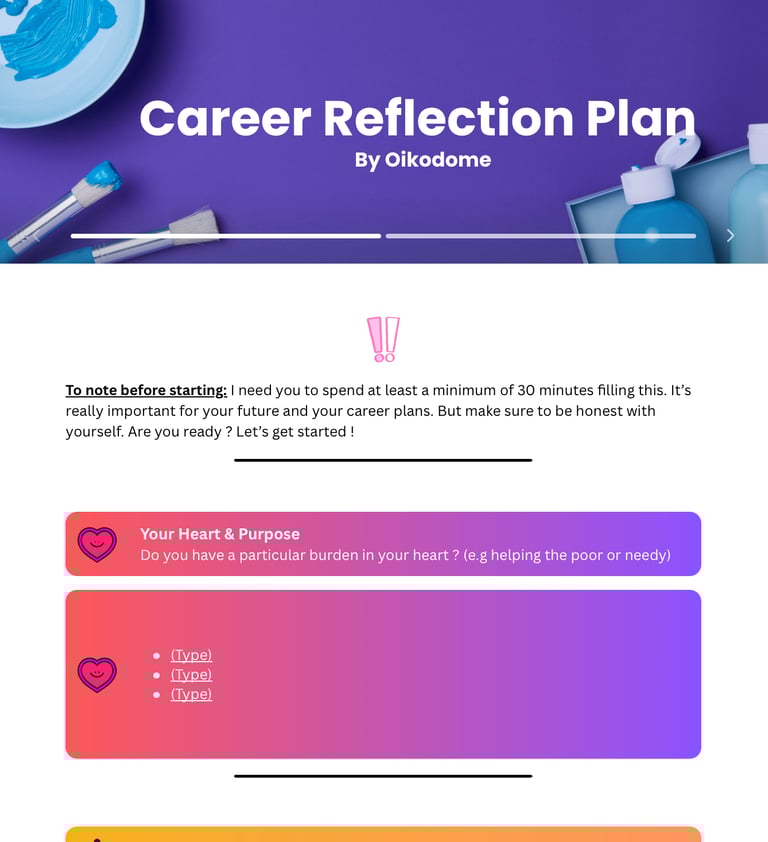
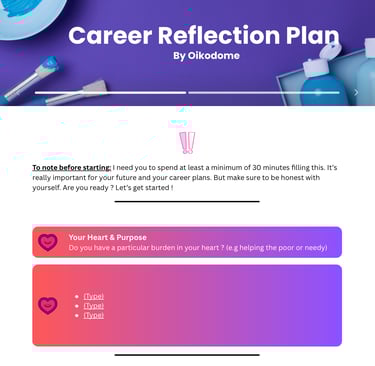
To make this practical, download the Career Reflection Template I’ve created — a canvas where you can jot down your interests, strengths, values, and goals. Use it to see patterns and ideas forming right in front of you.
Then, take a free, high-quality personality or career assessment such as the truity.com or careerfitter.com to understand how your traits align with different career paths.
Once you’ve filled out your template and reviewed your results, reflect on them honestly. What do you see? What excites you the most? That’s your starting point.